Good governance of civil society organisations is essential for public trust and the sustainability of the civil society sector. Research reports on the state of civil society by the EU TACSO 3 project, and based on surveys of more than 1,000 CSOs, have identified CSO Governance in the Western Balkans and Türkiye as a challenge in recent years. As a consequence, the EU TACSO 3 Project commissioned case studies on the CSO Governing Bodies good practices from the Western Balkans and Türkiye region. The aim of the case studies is to provide an up-to-date understanding of current practices in governance in the Western Balkans and Türkiye region. These case studies provide the core evidence of good practice and challenges facing governance, to be used as material for training and development opportunities for members of governing bodies, and senior staff of CSOs in the region. They include practical lessons learned to initiate and inspire organisations to strengthen good governance practices.
View moreGood governance of civil society organisations is essential for public trust and the sustainability of the civil society sector. Research reports on the state of civil society by the EU TACSO 3 project, and based on surveys of more than 1,000 CSOs, have identified CSO Governance in the Western Balkans and Türkiye as a challenge in recent years. As a consequence, the EU TACSO 3 Project commissioned case studies on the CSO Governing Bodies good practices from the Western Balkans and Türkiye region. The aim of the case studies is to provide an up-to-date understanding of current practices in governance in the Western Balkans and Türkiye region. These case studies provide the core evidence of good practice and challenges facing governance, to be used as material for training and development opportunities for members of governing bodies, and senior staff of CSOs in the region. They include practical lessons learned to initiate and inspire organisations to strengthen good governance practices.
View moreGood governance of civil society organisations is essential for public trust and the sustainability of the civil society sector. Research reports on the state of civil society by the EU TACSO 3 project, and based on surveys of more than 1,000 CSOs, have identified CSO Governance in the Western Balkans and Türkiye as a challenge in recent years. As a consequence, the EU TACSO 3 Project commissioned case studies on the CSO Governing Bodies good practices from the Western Balkans and Türkiye region. The aim of the case studies is to provide an up-to-date understanding of current practices in governance in the Western Balkans and Türkiye region. These case studies provide the core evidence of good practice and challenges facing governance, to be used as material for training and development opportunities for members of governing bodies, and senior staff of CSOs in the region. They include practical lessons learned to initiate and inspire organisations to strengthen good governance practices.
View moreThe EU TACSO 3 capacity-building event, titled "Strengthening CSOs’ skills by exploring EU Programme funding opportunities," was held online on 27 March 2025 for a group of 132 participants. In the event, participants learned about the skills needed in the civil society sector and the wide range of opportunities available through EU programmes. Respective contributors from the EU and WBT regions showcased programmes such as Erasmus+, CERV, Horizon Europe, and Capacity Building for Higher Education, encouraging CSOs across the region to engage actively and benefit from these programmes.
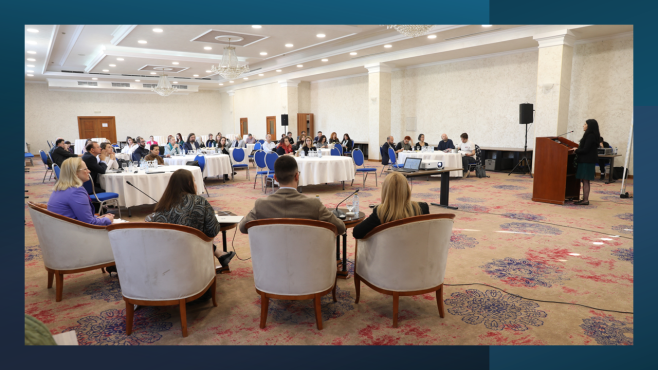
View moreThe regional FSTP Community of Practice succeeded in gathering for the third time in the live form of the annual meeting. The meeting was held in Skopje, North Macedonia, on 6 – 7 November 2024. Fifty representatives of FSTP implementors, including several recipients of the sub-granting support, discussed the current practices, focusing on the organisational changes at the level of FSTP implementors and the effects visible due to the provision of small grants support to CSOs in the Western Balkans and Türkiye region.
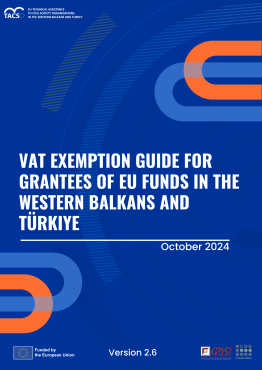
View moreThis Guide provides information for grant beneficiaries of EU funds in the Western Balkans and Türkiye on how to exempt them from paying VAT. The document includes information about the procedures for registering for VAT exemption and obtaining VAT exemptions (or refunds) when making purchases. This guide has been prepared by the EU TACSO 3 team as a ready reference to VAT exemption and VAT refund requirements for civil society organisations funded by the European Union in the Western Balkans and Türkiye. It is aimed primarily at civil society organisations in the region that are recipients of EU grant funds, either country-level or regional. The guide is compiled from available documentation and guidance and will be updated regularly if there are changes.
View moreAn online workshop on promoting the environment and how youth CSOs can contribute to environmental protection and green transition in the WBT was held on 27 August 2024 for 20 participants, including representatives of the EU Delegations from the region. Here are the presentation materials from the workshop.
View moreThis two-day workshop was conducted online for Western Balkans and Türkiye participants working to incorporate a gender mainstreaming approach into their FSTP practices. The participants worked on practical tasks to analyse how to ensure gender equality at the organisational, project, individual, and community levels. They were introduced to the gender analysis matrix at the project level and were practising developing gender-sensitive indicators.
View moreA comprehensive report from the Workshop on Assessment of Proposals for FSTP Implementers from the Western Balkans and Türkiye provides details from the workshop, including Q&As, case studies, some key issues raised by participants and expert's responses and recommendations provided.
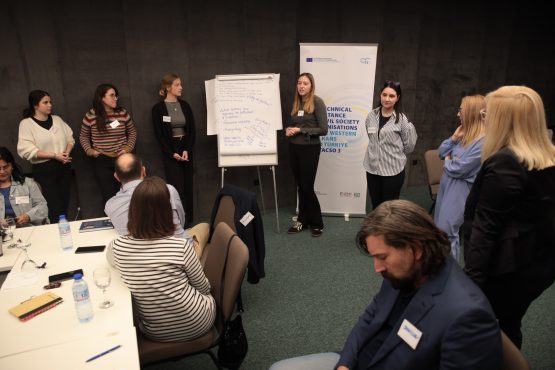
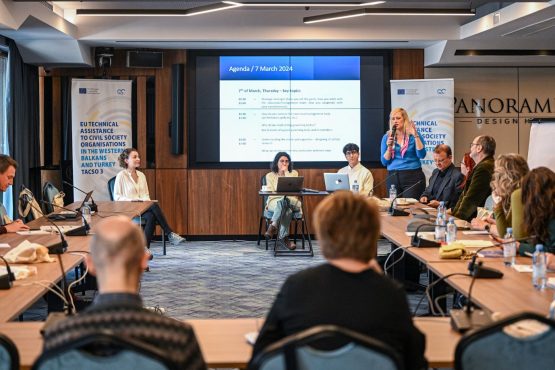
View moreThe workshop succeeded in gathering 27 representatives of CSO governing body members from the Western Balkans and Türkiye region to discuss the current findings on CSO governance in the region, network, and propose inputs for designing the ad-hoc research on CSO governance practices in the WBT.
View more