The report presents the second assessment against the revised DG NEAR Guidelines for EU Support to Civil Society in the Enlargement Region, 2021-2027. The Guidelines outline the results towards which EU support to civil society in the enlargement region aspires during this seven-year period. This assessment provides evidence for the situation against the Guidelines’ indicators for 2023, presenting the situation in the region, namely in Albania, Bosnia and Herzegovina, Kosovo,* Montenegro, North Macedonia, Serbia and Türkiye.
View moreGuidelines outline the results towards which EU support to civil society in the enlargement region will aspire in the period 2021 – 2027. The guidelines are anchored in a solid set of standards. These are based on EU Rule of law Acquis and other relevant international and European standards. They apply standards developed by civil society for civil society at the global level.
View moreThis Guide provides information for grant beneficiaries of EU funds in the Western Balkans and Türkiye on how to exempt them from paying VAT. The document includes information about the procedures for registering for VAT exemption and obtaining VAT exemptions (or refunds) when making purchases. This guide has been prepared by the EU TACSO 3 team as a ready reference to VAT exemption and VAT refund requirements for civil society organisations funded by the European Union in the Western Balkans and Türkiye. It is aimed primarily at civil society organisations in the region that are recipients of EU grant funds, either country-level or regional. The guide is compiled from available documentation and guidance and will be updated regularly if there are changes.
View moreThe EU TACSO 3 capacity-building event, titled “Strengthening CSOs’ skills by exploring EU Programme funding opportunities,” was held online on 27 March 2025 for a group of 132 participants. In the event, participants learned about the skills needed in the civil society sector and the wide range of opportunities available through EU programmes. Respective contributors from the EU and WBT regions showcased programmes such as Erasmus+, CERV, Horizon Europe, and Capacity Building for Higher Education, encouraging CSOs across the region to engage actively and benefit from these programmes.
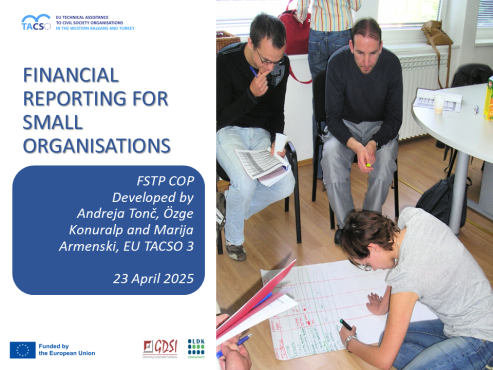
View moreSmall organisations, FSTP beneficiaries have limited capacities to manage projects in accordance with the basic EU standard requirements and require simple yet detailed instructions and mentoring almost daily. The key question identified is how to balance donor requirements with local capacities and what examples are available from current practice in the region, such as simplification of procedures, documents, and support to be provided to small grant beneficiaries. The workshop was implemented on 23 April 2025 for the group of 40 FSTP implementers from the WBT region as a practical exercise and a peer knowledge transfer and addressed the following key topics: Latest PRAG changes; Simplification of reporting procedures; Simplification of costs; Financial reporting proof documents; Procurement procedures; VAT exemption procedures; Financial Monitoring Tools; Mentoring and capacity building of small grant beneficiaries.
View moreGood governance of civil society organisations is essential for public trust and the sustainability of the civil society sector. Research reports on the state of civil society by the EU TACSO 3 project, and based on surveys of more than 1,000 CSOs, have identified CSO Governance in the Western Balkans and Türkiye as a challenge in recent years. As a consequence, the EU TACSO 3 Project commissioned case studies on the CSO Governing Bodies good practices from the Western Balkans and Türkiye region. The aim of the case studies is to provide an up-to-date understanding of current practices in governance in the Western Balkans and Türkiye region. These case studies provide the core evidence of good practice and challenges facing governance, to be used as material for training and development opportunities for members of governing bodies, and senior staff of CSOs in the region. They include practical lessons learned to initiate and inspire organisations to strengthen good governance practices.
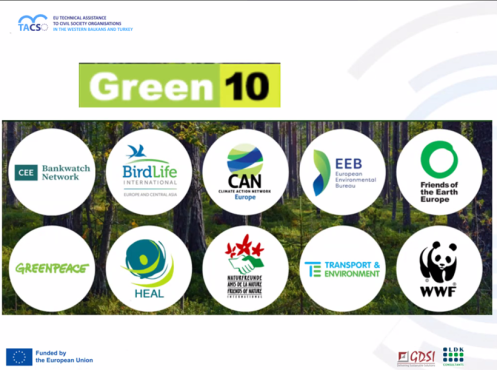
View moreThe webinar provided an in-depth overview of the background and goals of the Green Agenda, presenting its key pillars, policies, and implementation issues in detail. Progress in implementation in each beneficiary country was presented, and experiences from practice were shared among participants.
View moreThis Guide provides information for grant beneficiaries of EU funds in the Western Balkans and Türkiye on how to exempt them from paying VAT. The document includes information about the procedures for registering for VAT exemption and obtaining VAT exemptions (or refunds) when making purchases. This guide has been prepared by the EU TACSO 3 team as a ready reference to VAT exemption and VAT refund requirements for civil society organisations funded by the European Union in the Western Balkans and Türkiye. It is aimed primarily at civil society organisations in the region that are recipients of EU grant funds, either country-level or regional. The guide is compiled from available documentation and guidance and will be updated regularly if there are changes.
View moreThe report presents the second assessment against the revised DG NEAR Guidelines for EU Support to Civil Society in the Enlargement Region, 2021-2027. The Guidelines outline the results towards which EU support to civil society in the enlargement region aspires during this seven-year period. This assessment provides evidence for the situation against the Guidelines’ indicators for 2023, presenting the situation in the region, namely in Albania, Bosnia and Herzegovina, Kosovo,* Montenegro, North Macedonia, Serbia and Türkiye.
View moreA comprehensive report from the Workshop on Assessment of Proposals for FSTP Implementers from the Western Balkans and Türkiye provides details from the workshop, including Q&As, case studies, some key issues raised by participants and expert’s responses and recommendations provided.
View moreThe workshop succeeded in gathering 27 representatives of CSO governing body members from the Western Balkans and Türkiye region to discuss the current findings on CSO governance in the region, network, and propose inputs for designing the ad-hoc research on CSO governance practices in the WBT.
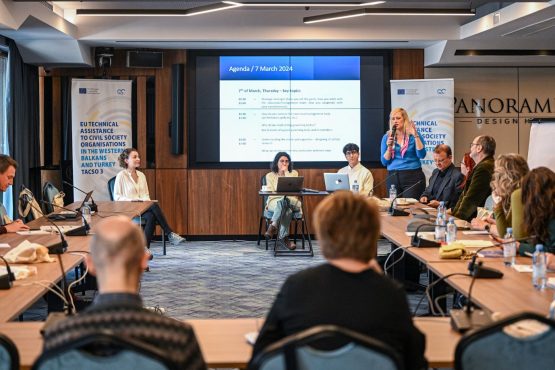
View moreOnline Regional Workshop for FSTP Implementors “EU Visibility and Communication Requirements” 28 March 2024 The Regional Workshop for FSTP Implementors on the new visibility and communication requirements has been implemented for 34 participants representing CSOs and CSO networks implementing CSF projects with FSTP components in the Western Balkans and Türkiye region.
View moreMany questions are often repeated among those interested in becoming FSTP implementors and those already implementing projects with included FSTP components. The European Commission combined those most repeated questions into one guiding document and published the frequently asked questions on FSTP.
View moreThe central objective of the event was to foster collaboration among stakeholders in the non-profit sector, education, and government, spanning regions from the EU and the local area. The main objectives included promoting cooperation and collaboration across various actors, countries, and regions, identifying opportunities to formalise the recognition of non-profit skills within National Qualifications Frameworks.
View moreThe overarching objective was to facilitate knowledge transfer among CSOs from Albania and North Macedonia, allowing them to glean insights from the best practices employed by their counterparts in Montenegro and Serbia during the EU accession negotiation process. The specific aims included fostering an understanding of diverse models and structures for civil society engagement in accession negotiations, familiarizing participants with effective approaches and practices in collaboration with governments during these negotiations and equipping them with applicable insights for their unique situations.
View moreThe one-and-a-half-day P2P event featured expert panel discussions, presentations, and interactive sessions. The event had a specific focus on Artificial Intelligence (AI) integration in CSOs’ operations. Participants engaged in discussions and sessions aimed at understanding the potential benefits and challenges associated with AI integration, to develop strategies to harness its power responsibly.
View moreThis meeting’s specific objectives were finely tuned to inspect the utilisation of digital platforms for information sharing within CSOs. This involved a comprehensive analysis of how CSOs leverage platforms such as websites, social media, and online collaboration tools for information dissemination, evaluating the effectiveness of these platforms in reaching and engaging target audiences and identifying best practices and innovative approaches.
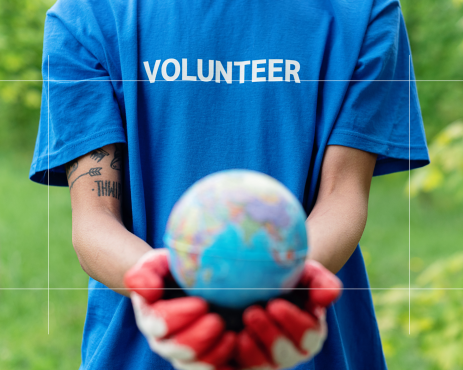
View moreThe primary objective of the event was to promote volunteering as a catalyst for social and economic development in the Western Balkans and Türkiye, while addressing challenges related to recognition, support, and sustainability. Specific goals included delving into the reasons behind the low volunteering rates in these regions, identifying strategies for promoting volunteering at various levels, examining the legal framework for volunteering, and showcasing successful volunteer initiatives.
View moreThe online consultative meeting aimed to comprehensively explore the repercussions of the digital transition on CSOs and formulate adaptive strategies for the evolving landscape in the region. Additionally, the meeting sought to identify key changes in the operating environment induced by digital transformation, analyzing its effects on relationships between CSOs, governments, donors, and other stakeholders. The examination extended to the use of artificial intelligence (AI) and its effects on CSOs, covering applications, impacts on efficiency, ethical considerations, and potential risks.
View moreThis report presents the first assessment against the revised DG NEAR Guidelines for EU Support to Civil Society in the Enlargement Region, 2021-2027. The Guidelines outline the results towards which EU support to civil society in the enlargement region will aspire in this seven-year period. This assessment provides evidence for the situation against the Guidelines’ indicators for 2021 which is the baseline year.
View moreThe webinar provided an in-depth overview of the background and goals of the Green Agenda, presenting its key pillars, policies, and implementation issues in detail. Progress in implementation in each beneficiary country was presented, and experiences from practice were shared among participants.
View moreGood governance of civil society organisations is essential for public trust and the sustainability of the civil society sector. Research reports on the state of civil society by the EU TACSO 3 project, and based on surveys of more than 1,000 CSOs, have identified CSO Governance in the Western Balkans and Türkiye as a challenge in recent years. As a consequence, the EU TACSO 3 Project commissioned case studies on the CSO Governing Bodies good practices from the Western Balkans and Türkiye region. The aim of the case studies is to provide an up-to-date understanding of current practices in governance in the Western Balkans and Türkiye region. These case studies provide the core evidence of good practice and challenges facing governance, to be used as material for training and development opportunities for members of governing bodies, and senior staff of CSOs in the region. They include practical lessons learned to initiate and inspire organisations to strengthen good governance practices.
View moreSmall organisations, FSTP beneficiaries have limited capacities to manage projects in accordance with the basic EU standard requirements and require simple yet detailed instructions and mentoring almost daily. The key question identified is how to balance donor requirements with local capacities and what examples are available from current practice in the region, such as simplification of procedures, documents, and support to be provided to small grant beneficiaries. The workshop was implemented on 23 April 2025 for the group of 40 FSTP implementers from the WBT region as a practical exercise and a peer knowledge transfer and addressed the following key topics: Latest PRAG changes; Simplification of reporting procedures; Simplification of costs; Financial reporting proof documents; Procurement procedures; VAT exemption procedures; Financial Monitoring Tools; Mentoring and capacity building of small grant beneficiaries.
View moreThe EU TACSO 3 capacity-building event, titled “Strengthening CSOs’ skills by exploring EU Programme funding opportunities,” was held online on 27 March 2025 for a group of 132 participants. In the event, participants learned about the skills needed in the civil society sector and the wide range of opportunities available through EU programmes. Respective contributors from the EU and WBT regions showcased programmes such as Erasmus+, CERV, Horizon Europe, and Capacity Building for Higher Education, encouraging CSOs across the region to engage actively and benefit from these programmes.
View moreThis Guide provides information for grant beneficiaries of EU funds in the Western Balkans and Türkiye on how to exempt them from paying VAT. The document includes information about the procedures for registering for VAT exemption and obtaining VAT exemptions (or refunds) when making purchases. This guide has been prepared by the EU TACSO 3 team as a ready reference to VAT exemption and VAT refund requirements for civil society organisations funded by the European Union in the Western Balkans and Türkiye. It is aimed primarily at civil society organisations in the region that are recipients of EU grant funds, either country-level or regional. The guide is compiled from available documentation and guidance and will be updated regularly if there are changes.
View moreThe report presents the second assessment against the revised DG NEAR Guidelines for EU Support to Civil Society in the Enlargement Region, 2021-2027. The Guidelines outline the results towards which EU support to civil society in the enlargement region aspires during this seven-year period. This assessment provides evidence for the situation against the Guidelines’ indicators for 2023, presenting the situation in the region, namely in Albania, Bosnia and Herzegovina, Kosovo,* Montenegro, North Macedonia, Serbia and Türkiye.
View moreA comprehensive report from the Workshop on Assessment of Proposals for FSTP Implementers from the Western Balkans and Türkiye provides details from the workshop, including Q&As, case studies, some key issues raised by participants and expert’s responses and recommendations provided.
View moreThe workshop succeeded in gathering 27 representatives of CSO governing body members from the Western Balkans and Türkiye region to discuss the current findings on CSO governance in the region, network, and propose inputs for designing the ad-hoc research on CSO governance practices in the WBT.
View moreOnline Regional Workshop for FSTP Implementors “EU Visibility and Communication Requirements” 28 March 2024 The Regional Workshop for FSTP Implementors on the new visibility and communication requirements has been implemented for 34 participants representing CSOs and CSO networks implementing CSF projects with FSTP components in the Western Balkans and Türkiye region.
View moreMany questions are often repeated among those interested in becoming FSTP implementors and those already implementing projects with included FSTP components. The European Commission combined those most repeated questions into one guiding document and published the frequently asked questions on FSTP.
View moreThe central objective of the event was to foster collaboration among stakeholders in the non-profit sector, education, and government, spanning regions from the EU and the local area. The main objectives included promoting cooperation and collaboration across various actors, countries, and regions, identifying opportunities to formalise the recognition of non-profit skills within National Qualifications Frameworks.
View moreThe overarching objective was to facilitate knowledge transfer among CSOs from Albania and North Macedonia, allowing them to glean insights from the best practices employed by their counterparts in Montenegro and Serbia during the EU accession negotiation process. The specific aims included fostering an understanding of diverse models and structures for civil society engagement in accession negotiations, familiarizing participants with effective approaches and practices in collaboration with governments during these negotiations and equipping them with applicable insights for their unique situations.
View moreThe one-and-a-half-day P2P event featured expert panel discussions, presentations, and interactive sessions. The event had a specific focus on Artificial Intelligence (AI) integration in CSOs’ operations. Participants engaged in discussions and sessions aimed at understanding the potential benefits and challenges associated with AI integration, to develop strategies to harness its power responsibly.
View moreThis meeting’s specific objectives were finely tuned to inspect the utilisation of digital platforms for information sharing within CSOs. This involved a comprehensive analysis of how CSOs leverage platforms such as websites, social media, and online collaboration tools for information dissemination, evaluating the effectiveness of these platforms in reaching and engaging target audiences and identifying best practices and innovative approaches.
View moreThe primary objective of the event was to promote volunteering as a catalyst for social and economic development in the Western Balkans and Türkiye, while addressing challenges related to recognition, support, and sustainability. Specific goals included delving into the reasons behind the low volunteering rates in these regions, identifying strategies for promoting volunteering at various levels, examining the legal framework for volunteering, and showcasing successful volunteer initiatives.
View moreThe online consultative meeting aimed to comprehensively explore the repercussions of the digital transition on CSOs and formulate adaptive strategies for the evolving landscape in the region. Additionally, the meeting sought to identify key changes in the operating environment induced by digital transformation, analyzing its effects on relationships between CSOs, governments, donors, and other stakeholders. The examination extended to the use of artificial intelligence (AI) and its effects on CSOs, covering applications, impacts on efficiency, ethical considerations, and potential risks.
View moreThis report presents the first assessment against the revised DG NEAR Guidelines for EU Support to Civil Society in the Enlargement Region, 2021-2027. The Guidelines outline the results towards which EU support to civil society in the enlargement region will aspire in this seven-year period. This assessment provides evidence for the situation against the Guidelines’ indicators for 2021 which is the baseline year.
View moreThe webinar provided an in-depth overview of the background and goals of the Green Agenda, presenting its key pillars, policies, and implementation issues in detail. Progress in implementation in each beneficiary country was presented, and experiences from practice were shared among participants.
View moreGood governance of civil society organisations is essential for public trust and the sustainability of the civil society sector. Research reports on the state of civil society by the EU TACSO 3 project, and based on surveys of more than 1,000 CSOs, have identified CSO Governance in the Western Balkans and Türkiye as a challenge in recent years. As a consequence, the EU TACSO 3 Project commissioned case studies on the CSO Governing Bodies good practices from the Western Balkans and Türkiye region. The aim of the case studies is to provide an up-to-date understanding of current practices in governance in the Western Balkans and Türkiye region. These case studies provide the core evidence of good practice and challenges facing governance, to be used as material for training and development opportunities for members of governing bodies, and senior staff of CSOs in the region. They include practical lessons learned to initiate and inspire organisations to strengthen good governance practices.
View moreSmall organisations, FSTP beneficiaries have limited capacities to manage projects in accordance with the basic EU standard requirements and require simple yet detailed instructions and mentoring almost daily. The key question identified is how to balance donor requirements with local capacities and what examples are available from current practice in the region, such as simplification of procedures, documents, and support to be provided to small grant beneficiaries. The workshop was implemented on 23 April 2025 for the group of 40 FSTP implementers from the WBT region as a practical exercise and a peer knowledge transfer and addressed the following key topics: Latest PRAG changes; Simplification of reporting procedures; Simplification of costs; Financial reporting proof documents; Procurement procedures; VAT exemption procedures; Financial Monitoring Tools; Mentoring and capacity building of small grant beneficiaries.
View moreThe EU TACSO 3 capacity-building event, titled “Strengthening CSOs’ skills by exploring EU Programme funding opportunities,” was held online on 27 March 2025 for a group of 132 participants. In the event, participants learned about the skills needed in the civil society sector and the wide range of opportunities available through EU programmes. Respective contributors from the EU and WBT regions showcased programmes such as Erasmus+, CERV, Horizon Europe, and Capacity Building for Higher Education, encouraging CSOs across the region to engage actively and benefit from these programmes.
View moreThis Guide provides information for grant beneficiaries of EU funds in the Western Balkans and Türkiye on how to exempt them from paying VAT. The document includes information about the procedures for registering for VAT exemption and obtaining VAT exemptions (or refunds) when making purchases. This guide has been prepared by the EU TACSO 3 team as a ready reference to VAT exemption and VAT refund requirements for civil society organisations funded by the European Union in the Western Balkans and Türkiye. It is aimed primarily at civil society organisations in the region that are recipients of EU grant funds, either country-level or regional. The guide is compiled from available documentation and guidance and will be updated regularly if there are changes.
View moreThe report presents the second assessment against the revised DG NEAR Guidelines for EU Support to Civil Society in the Enlargement Region, 2021-2027. The Guidelines outline the results towards which EU support to civil society in the enlargement region aspires during this seven-year period. This assessment provides evidence for the situation against the Guidelines’ indicators for 2023, presenting the situation in the region, namely in Albania, Bosnia and Herzegovina, Kosovo,* Montenegro, North Macedonia, Serbia and Türkiye.
View moreA comprehensive report from the Workshop on Assessment of Proposals for FSTP Implementers from the Western Balkans and Türkiye provides details from the workshop, including Q&As, case studies, some key issues raised by participants and expert’s responses and recommendations provided.
View moreThe workshop succeeded in gathering 27 representatives of CSO governing body members from the Western Balkans and Türkiye region to discuss the current findings on CSO governance in the region, network, and propose inputs for designing the ad-hoc research on CSO governance practices in the WBT.
View moreOnline Regional Workshop for FSTP Implementors “EU Visibility and Communication Requirements” 28 March 2024 The Regional Workshop for FSTP Implementors on the new visibility and communication requirements has been implemented for 34 participants representing CSOs and CSO networks implementing CSF projects with FSTP components in the Western Balkans and Türkiye region.
View moreMany questions are often repeated among those interested in becoming FSTP implementors and those already implementing projects with included FSTP components. The European Commission combined those most repeated questions into one guiding document and published the frequently asked questions on FSTP.
View moreThe central objective of the event was to foster collaboration among stakeholders in the non-profit sector, education, and government, spanning regions from the EU and the local area. The main objectives included promoting cooperation and collaboration across various actors, countries, and regions, identifying opportunities to formalise the recognition of non-profit skills within National Qualifications Frameworks.
View moreThe overarching objective was to facilitate knowledge transfer among CSOs from Albania and North Macedonia, allowing them to glean insights from the best practices employed by their counterparts in Montenegro and Serbia during the EU accession negotiation process. The specific aims included fostering an understanding of diverse models and structures for civil society engagement in accession negotiations, familiarizing participants with effective approaches and practices in collaboration with governments during these negotiations and equipping them with applicable insights for their unique situations.
View moreThe one-and-a-half-day P2P event featured expert panel discussions, presentations, and interactive sessions. The event had a specific focus on Artificial Intelligence (AI) integration in CSOs’ operations. Participants engaged in discussions and sessions aimed at understanding the potential benefits and challenges associated with AI integration, to develop strategies to harness its power responsibly.
View moreThis meeting’s specific objectives were finely tuned to inspect the utilisation of digital platforms for information sharing within CSOs. This involved a comprehensive analysis of how CSOs leverage platforms such as websites, social media, and online collaboration tools for information dissemination, evaluating the effectiveness of these platforms in reaching and engaging target audiences and identifying best practices and innovative approaches.
View moreThe primary objective of the event was to promote volunteering as a catalyst for social and economic development in the Western Balkans and Türkiye, while addressing challenges related to recognition, support, and sustainability. Specific goals included delving into the reasons behind the low volunteering rates in these regions, identifying strategies for promoting volunteering at various levels, examining the legal framework for volunteering, and showcasing successful volunteer initiatives.
View moreThe online consultative meeting aimed to comprehensively explore the repercussions of the digital transition on CSOs and formulate adaptive strategies for the evolving landscape in the region. Additionally, the meeting sought to identify key changes in the operating environment induced by digital transformation, analyzing its effects on relationships between CSOs, governments, donors, and other stakeholders. The examination extended to the use of artificial intelligence (AI) and its effects on CSOs, covering applications, impacts on efficiency, ethical considerations, and potential risks.
View moreThis report presents the first assessment against the revised DG NEAR Guidelines for EU Support to Civil Society in the Enlargement Region, 2021-2027. The Guidelines outline the results towards which EU support to civil society in the enlargement region will aspire in this seven-year period. This assessment provides evidence for the situation against the Guidelines’ indicators for 2021 which is the baseline year.
View moreThe webinar provided an in-depth overview of the background and goals of the Green Agenda, presenting its key pillars, policies, and implementation issues in detail. Progress in implementation in each beneficiary country was presented, and experiences from practice were shared among participants.
View moreGood governance of civil society organisations is essential for public trust and the sustainability of the civil society sector. Research reports on the state of civil society by the EU TACSO 3 project, and based on surveys of more than 1,000 CSOs, have identified CSO Governance in the Western Balkans and Türkiye as a challenge in recent years. As a consequence, the EU TACSO 3 Project commissioned case studies on the CSO Governing Bodies good practices from the Western Balkans and Türkiye region. The aim of the case studies is to provide an up-to-date understanding of current practices in governance in the Western Balkans and Türkiye region. These case studies provide the core evidence of good practice and challenges facing governance, to be used as material for training and development opportunities for members of governing bodies, and senior staff of CSOs in the region. They include practical lessons learned to initiate and inspire organisations to strengthen good governance practices.
View moreSmall organisations, FSTP beneficiaries have limited capacities to manage projects in accordance with the basic EU standard requirements and require simple yet detailed instructions and mentoring almost daily. The key question identified is how to balance donor requirements with local capacities and what examples are available from current practice in the region, such as simplification of procedures, documents, and support to be provided to small grant beneficiaries. The workshop was implemented on 23 April 2025 for the group of 40 FSTP implementers from the WBT region as a practical exercise and a peer knowledge transfer and addressed the following key topics: Latest PRAG changes; Simplification of reporting procedures; Simplification of costs; Financial reporting proof documents; Procurement procedures; VAT exemption procedures; Financial Monitoring Tools; Mentoring and capacity building of small grant beneficiaries.
View moreThe EU TACSO 3 capacity-building event, titled “Strengthening CSOs’ skills by exploring EU Programme funding opportunities,” was held online on 27 March 2025 for a group of 132 participants. In the event, participants learned about the skills needed in the civil society sector and the wide range of opportunities available through EU programmes. Respective contributors from the EU and WBT regions showcased programmes such as Erasmus+, CERV, Horizon Europe, and Capacity Building for Higher Education, encouraging CSOs across the region to engage actively and benefit from these programmes.
View moreThe regional FSTP Community of Practice succeeded in gathering for the third time in the live form of the annual meeting. The meeting was held in Skopje, North Macedonia, on 6 – 7 November 2024. Fifty representatives of FSTP implementors, including several recipients of the sub-granting support, discussed the current practices, focusing on the organisational changes at the level of FSTP implementors and the effects visible due to the provision of small grants support to CSOs in the Western Balkans and Türkiye region.
View moreThe workshop was organised for 20 representatives of the CSOs from the WBT region working on social inclusion and supporting women, youth, children, Roma, persons with disabilities and other vulnerable groups in our society. The workshop agenda included an overview of key green transition developments in the EU and the WBT region, the main actors involved and decision-makers. Case studies from the recent CSO practice and funding opportunities have also been shared.
An online workshop on promoting the environment and how youth CSOs can contribute to environmental protection and green transition in the WBT was held on 27 August 2024 for 20 participants, including representatives of the EU Delegations from the region. Here are the presentation materials from the workshop.
View moreThis two-day workshop was conducted online for Western Balkans and Türkiye participants working to incorporate a gender mainstreaming approach into their FSTP practices. The participants worked on practical tasks to analyse how to ensure gender equality at the organisational, project, individual, and community levels. They were introduced to the gender analysis matrix at the project level and were practising developing gender-sensitive indicators.